
Skip to content

Tobacco curing

Cutting fuel costs in tobacco curing

Curing is where a lot of a tobacco crop's margin is won or lost, because fuel and power are among the biggest running costs on the farm. Most of the waste sits in a few predictable places.

Updated September 2026

Move heat through the leaf, not around it

The single biggest lever is airflow. If air takes the easy path around the load instead of through it, you burn fuel heating leaf that never gets the airflow it needs, and you cure unevenly on top of it. Fans, air routes and loading all have to be matched so the air is pushed through the tobacco.

So we size the airflow package to the tunnel and the loaded crop rather than fitting a fan and hoping. Even airflow means you reach curing temperature on less fuel and hold it more steadily.
Dry heat, no boiler

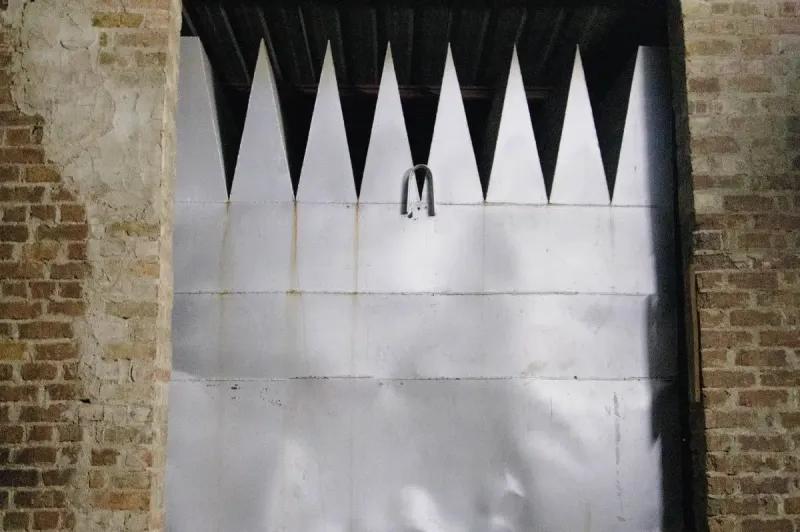
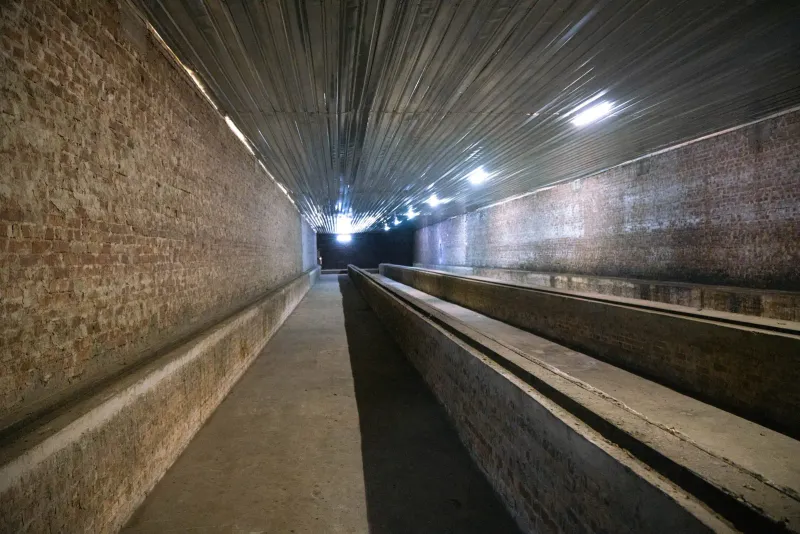
ROC heat exchangers run on a dry-heat system, so there is no boiler to keep hot, treat, or pressure-test. That removes a whole layer of standing losses and maintenance cost. No water treatment, no boiler attendant, and no heat bleeding off a hot water circuit between cures.

It also cuts what you spend keeping the system running: less coal, less diesel for generator power, and less electricity, because the heat you pay for goes into the cure.

Seal it, load it evenly, maintain it

After airflow and heat source, the wins are in the details. A tunnel that is sealed so heat does not leak, a load that is spaced evenly so no lane is starved or overfed, and a system simple enough to actually maintain between cures.

  • Seal doors, vents and gaps so you are not paying to heat the outside
  • Load evenly, using clips and trolleys to keep leaf spaced for airflow
  • Run each lane at its own temperature where the system allows
  • Service fans and heat transfer between cures so efficiency holds

What we are working on next: curing with grass

A lot of our time goes into research and development, looking for ways to take cost out of the cure. Our current project is curing tobacco with grass, which is widely available on most farms and far cheaper than coal.

It is still in development, not a product yet, but the aim is straightforward. If a farmer can cure on a fuel that grows on the farm instead of one they have to buy and haul, the running cost of a season drops sharply. When it is proven on our own crop, the way our systems always are before we sell them, we will make it available.

The short version

  • Airflow is the biggest lever. Push heat through the leaf, not around it.
  • A dry-heat exchanger means no boiler to heat, treat or pressure-test.
  • Sealing and even loading stop you paying to heat air and waste leaf.
  • We are developing curing with grass, a cheaper fuel than coal.

Common questions

Common questions

The biggest gains come from matching airflow so heat moves through the loaded leaf rather than around it, using a dry-heat exchanger with no boiler to cut standing losses, sealing the tunnel, loading evenly, and keeping fans and heat transfer serviced between cures.

Talk to ROC Systems

Tell us the crop, site and hectares.

Every farm is different. Send us your numbers and we'll give you a straight answer, and a free farm visit and quote if it helps.